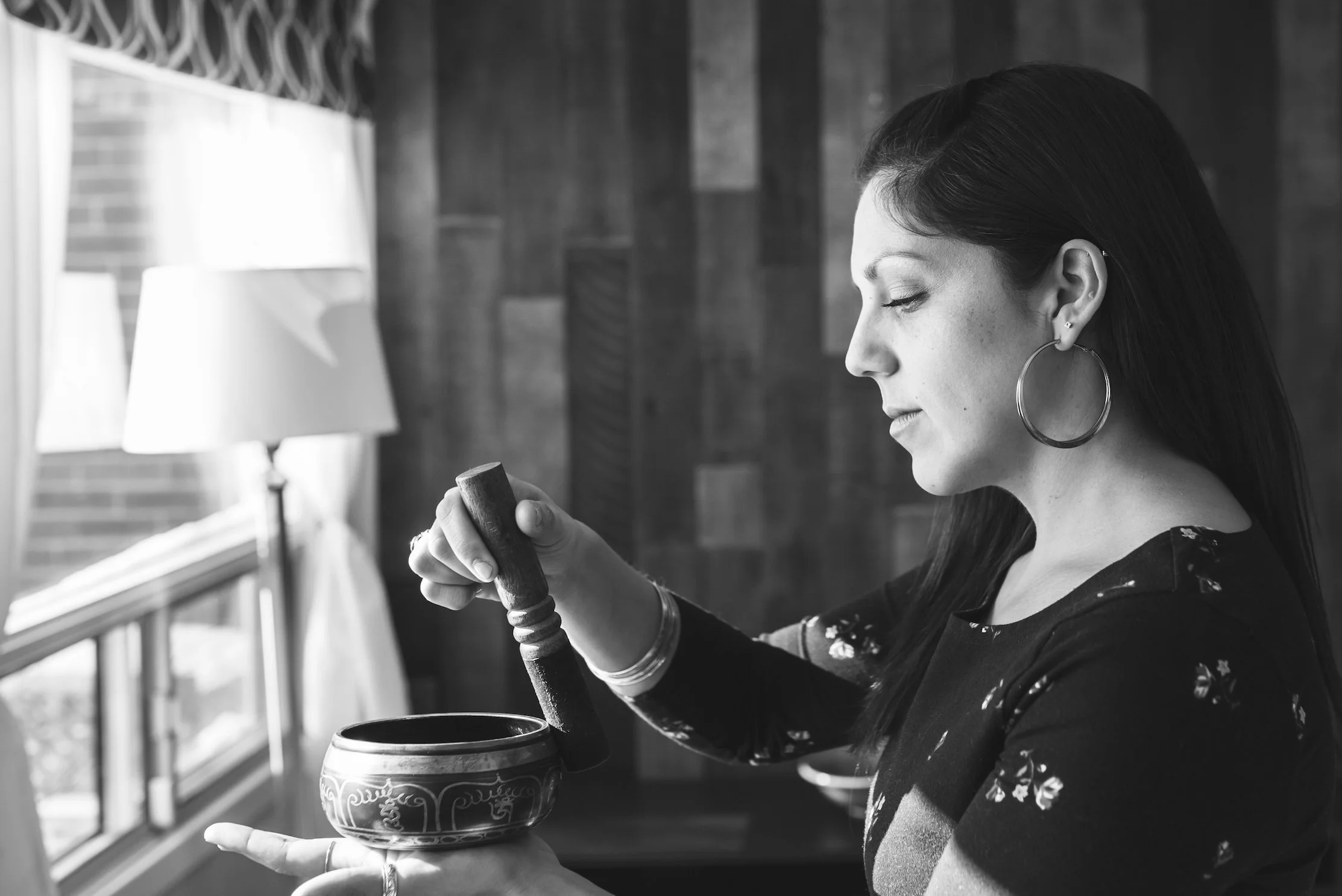
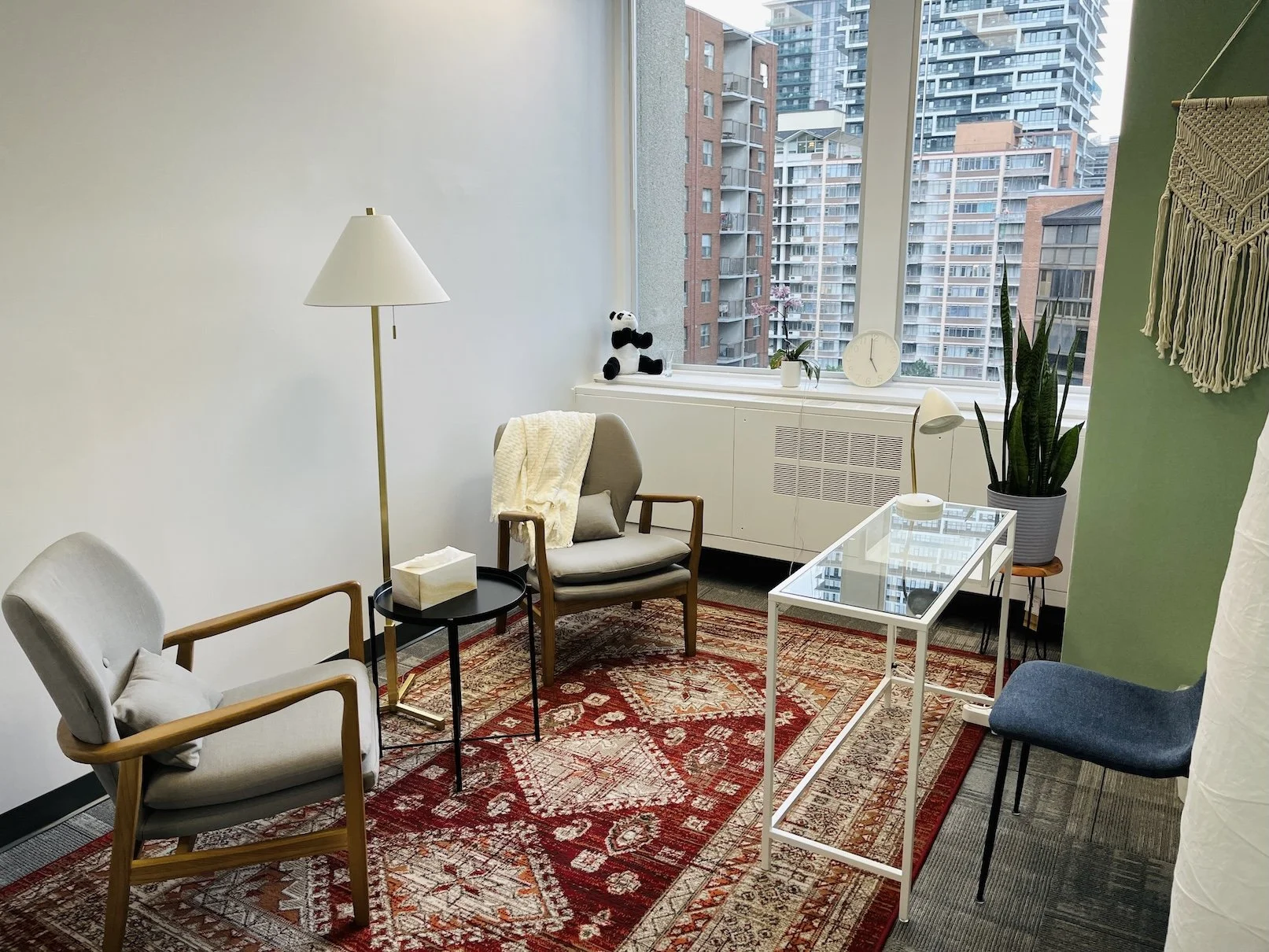
Meditation is not about avoiding difficult emotions or “thinking positively” all the time. Instead, it helps build the capacity to notice thoughts and feelings without becoming overwhelmed by them.
Over time, many individuals find that meditation helps them feel:
More calm and emotionally regulated
Less reactive to stress and anxiety
More connected to themselves and others
Better able to focus and concentrate
More rested and grounded
More present in everyday life
Meditation May Help With
Meditation can be beneficial for a wide range of concerns and life experiences, including:
Anxiety and chronic stress
Burnout and emotional exhaustion
Sleep difficulties
Racing thoughts and overthinking
Difficulty concentrating or slowing down
Emotional overwhelm
Self-awareness and personal growth
Work-life balance
Performance anxiety
Transitions and uncertainty
Developing healthier coping strategies
Meditation can also complement psychotherapy and other wellness practices.
What To Expect
Sessions are tailored to your comfort level and goals. No prior meditation experience is required.
A meditation session may include:
Guided meditation exercises
Breathwork and grounding techniques
Mindfulness practices
Gentle reflection and discussion
Strategies for integrating mindfulness into daily life
Support in developing a sustainable personal practice
Meditation sessions are collaborative, supportive, and non-judgmental. The goal is not to “do meditation perfectly,” but to help create moments of calm, awareness, and connection.
Frequently Asked Questions
-
Not at all. Meditation sessions are appropriate for beginners as well as individuals with prior experience.
-
That is extremely common. Meditation is not about forcing yourself to stop thinking or sit perfectly still. Sessions can be adapted to include grounding exercises, movement, shorter practices, and techniques that feel manageable and supportive.
-
Meditation offered at Whole Note Psychotherapy is secular and wellness-focused. Practices are grounded in mindfulness, relaxation, and self-awareness.
-
Meditation can be a powerful support tool, but it is not necessarily a replacement for psychotherapy or medical care. For many individuals, meditation works best alongside therapy and other forms of support.
Meditation
Find Stillness. Reconnect With Yourself.
Meditation is not about “clearing your mind” or achieving perfection. It is about creating space to slow down, observe, breathe, and reconnect with yourself in a calmer, more grounded way.
At Whole Note Psychotherapy, meditation is offered as a supportive and accessible practice for individuals experiencing stress, anxiety, burnout, emotional overwhelm, difficulty focusing, sleep challenges, or a desire for greater balance and self-awareness.
Whether you are completely new to meditation or returning to an existing practice, sessions are designed to meet you where you are.
What Is Meditation?
Meditation is a mindfulness-based practice that helps cultivate awareness, presence, and emotional regulation. Through guided techniques such as breath awareness, body scanning, grounding exercises, visualization, and mindful observation, meditation can support both mental and physical wellbeing.
Begin Your Meditation Practice
Creating moments of calm and connection can have a meaningful impact on overall wellbeing.
If you are interested in exploring meditation, mindfulness, or grounding practices, Whole Note Psychotherapy is here to support you.
Who We Serve
Anxiety Management
Depression and Mood Management
Chronic Illness
Life Transitions
Advanced Illness
Grief, Loss, and Bereavement
Stress Management

Our Approaches to Psychotherapy.
We draw from a number of psychotherapy styles and practices in order to create a personalized experience to support you in reaching your therapy goals.

-
Acceptance and Commitment Therapy, also referred to as “ACT”, is a values-based approach that is rooted in principles of mindfulness and action related to addressing (and not avoiding) uncomfortable feelings, thoughts, and life circumstances. This style of therapy encourages clients to be flexible in their approach to their thoughts and experiences, and supports clients in taking specific action through techniques which can support positive and healthy change.
-
Cognitive behavioral therapy (CBT) is a common type of talk therapy (psychotherapy). You work with a mental health counselor (psychotherapist or therapist) in a structured way, attending a limited number of sessions. CBT helps you become aware of inaccurate or negative thinking so you can view challenging situations more clearly and respond to them in a more effective way.
CBT can be a very helpful tool — either alone or in combination with other therapies — in treating mental health disorders, such as depression, post-traumatic stress disorder (PTSD) or an eating disorder. But not everyone who benefits from CBT has a mental health condition. CBT can be an effective tool to help anyone learn how to better manage stressful life situations.
-
Attachment-focused therapy is an approach that is based on attachment theory, and explores specific thoughts, feelings, communications, behaviors, and exchanges that you may have learned either to suppress and avoid or to amplify because of early childhood attachment experiences with people in your life. Exploring your early attachments and relationship dynamics through attachment focused therapy can offer insight into your current relationships and coping styles.
-
Emotionally Focused Therapy (EFT) is a humanistic, evidence-based approach to psychotherapy, drawing primarily from attachment theory to facilitate the creation of secure, vibrant connection with self and others. Rooted in the science of emotions and attachment, EFT helps clients identify and transform the negative processing and interaction patterns that create distress. It’s effective in treating individuals (EFIT), couples (EFCT), and families (EFFT), addressing a wide range of issues from marital distress to individual anxiety and trauma.
For therapists, EFT offers a clear, structured path to helping clients. It focuses on the development of emotional intelligence and awareness, enabling therapists to guide clients in recognizing and expressing their emotional needs more effectively. By fostering a secure attachment bond, EFT enables clients to respond to their partners and family members in healthier, more constructive ways.
-
Psychodynamic psychotherapy is based on principles of psychoanalytic practice, and can be used as an opportunity to explore your relationship to the world and to your experiences in a self-reflective way. This style of therapy is often verbal in nature but your therapist may use non-verbal or arts-based techniques to support you in uncovering aspects of yourself that may be both conscious and subconscious.
-
Mindfulness practices have roots in Buddhist philosophy and focus primarily on maintaining awareness of the present moment, particularly our own thoughts, actions, and feelings.The heart of mindfulness encourages a non-judgemental approach to noticing our present experiences, and a focus on conscious awareness. Mindfulness practices have been studied in depth and been have shown to promote and enhance physical and mental health and well-being.
-
Music therapy is an evidence-based psychotherapeutic approach that integrates elements of music into a comprehensive model of care to support treatment goals, and optimize wellness. Music can impact and affect us in deeply therapeutic ways, as music is a powerful tool for self-expression and connection. Certified Music Therapists (MTAs) are trained to incorporate various aspects of music into a model of care that supports physical, emotional, cognitive, and spiritual well-being.
15-Minute Free Consultation
-
Connect with one of our team members to determine the right approach for you at this time. Your 15-minute consult is an opportunity to:
-Meet your practitioner and discuss your issues
-Test out the technology if you are planning on receiving virtual therapy
-Discuss a treatment plan moving forward
Your consultation is not a formal therapy session. Following your consultation, you can book your first appointment.
-
To book a free 15-minute virtual consultation, please use the link below. We will be in touch with you directly to schedule your consultation.
-
No formal preparation is required prior to your 15 minute consultation, but please feel free to bring any questions, thoughts, or ideas you may have, and your therapist will be pleased to discuss these with you.
-
If you would like to begin working with your therapist, you can book at your convenience through Jane.app, which you will have access to after your initial consultation. We will email you an intake form which you can fill out prior to your session. We look forward to working with you!