
Wellness Practices
Space to slow down, reconnect, and restore balance.
Explore meditation, sound baths, and yoga as complementary practices that support well-being, reduce stress, and invite moments of calm.
Meditation

Meditation is a mindfulness-based practice that helps cultivate awareness, presence, and emotional regulation. Through guided techniques such as breath awareness, body scanning, grounding exercises, visualization, and mindful observation, meditation can support both mental and physical wellbeing.
-
Meditation is not about avoiding difficult emotions or “thinking positively” all the time. Instead, it helps build the capacity to notice thoughts and feelings without becoming overwhelmed by them.
Over time, many individuals find that meditation helps them feel:
More calm and emotionally regulated
Less reactive to stress and anxiety
More connected to themselves and others
Better able to focus and concentrate
More rested and grounded
More present in everyday life
-
Meditation can be beneficial for a wide range of concerns and life experiences, including:
Anxiety and chronic stress
Burnout and emotional exhaustion
Sleep difficulties
Racing thoughts and overthinking
Difficulty concentrating or slowing down
Emotional overwhelm
Self-awareness and personal growth
Work-life balance
Performance anxiety
Transitions and uncertainty
Developing healthier coping strategies
Meditation can also complement psychotherapy and other wellness practices.
-
Sessions are tailored to your comfort level and goals. No prior meditation experience is required.
A meditation session may include:
Guided meditation exercises
Breathwork and grounding techniques
Mindfulness practices
Gentle reflection and discussion
Strategies for integrating mindfulness into daily life
Support in developing a sustainable personal practice
Meditation sessions are collaborative, supportive, and non-judgmental. The goal is not to “do meditation perfectly,” but to help create moments of calm, awareness, and connection.
Sound Baths

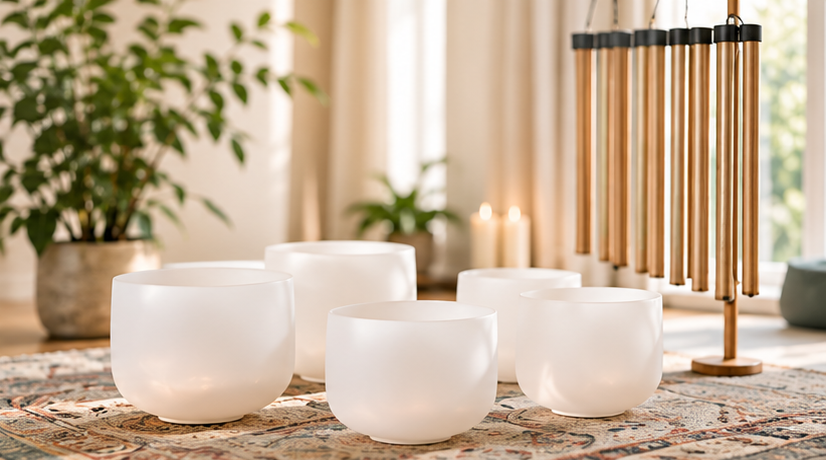
A sound bath is a deeply restorative meditative experience that supports relaxation, nervous system regulation, mindfulness, and emotional wellbeing. Using instruments such as crystal singing bowls, chimes, gentle percussion, and resonant tones, sound baths create an immersive experience that encourages rest, reflection, and presence.
-
Individuals may seek sound bath experiences for a variety of reasons, including:
Stress reduction and relaxation
Nervous system regulation
Emotional grounding
Mindfulness and meditation support
Improved sleep and restfulness
Burnout and emotional fatigue
Anxiety and overwhelm
Creating moments of stillness and reflection
Supporting overall wellness and self-care
Enhancing focus and presence
Experiences vary from person to person, and sessions are approached with openness and flexibility.
-
Sound bath sessions may be appropriate for individuals who:
Feel overwhelmed, stressed, or emotionally exhausted
Want support slowing down and relaxing
Are interested in mindfulness or meditation
Have difficulty disconnecting from constant mental activity
Want to reconnect with themselves in a calming environment
Are seeking supportive wellness practices alongside therapy
No prior experience is necessary.
-
Sound bath sessions are designed to feel calm, welcoming, and supportive.
A typical session may include:
A brief grounding or mindfulness exercise
Guided breathing and relaxation
Live sound immersion using therapeutic instruments
Gentle reflection and integration time
Opportunities to reconnect with the body and breath
Participants are encouraged to relax in whatever way feels most comfortable. Some people sit, while others prefer to lie down using blankets, mats, or cushions.
There is no pressure to meditate in a specific way or achieve any particular outcome.
Yoga
Yoga is a mind-body practice that combines movement, breathwork, mindfulness, and relaxation techniques. Depending on the style and focus of a session, yoga can support both physical and emotional wellbeing. At Whole Note Psychotherapy, yoga is approached as a supportive and grounding wellness practice rather than a performance-based activity.
-
Yoga is a mind-body practice that combines movement, breathwork, mindfulness, and relaxation techniques. Depending on the style and focus of a session, yoga can support both physical and emotional wellbeing.
At Whole Note Psychotherapy, yoga is approached as a supportive and grounding wellness practice rather than a performance-based activity.
Sessions may incorporate:
Gentle movement and stretching
Breath awareness and regulation
Grounding techniques
Mindfulness practices
Relaxation and restorative postures
Nervous system support
Yoga can help create opportunities to slow down, reconnect with the body, and develop greater awareness of stress patterns, tension, and emotional experiences.Potential Benefits of Sound Baths
-
Individuals may explore yoga for a variety of reasons, including:
Stress reduction and relaxation
Anxiety and emotional overwhelm
Burnout and fatigue
Improving mind-body awareness
Supporting nervous system regulation
Increasing flexibility and mobility
Improving sleep and restfulness
Mindfulness and grounding
Emotional balance and self-care
Creating healthy routines and coping strategies
Yoga can also complement psychotherapy and other wellness practices.
-
Yoga sessions are designed to feel supportive, adaptable, and welcoming.
A typical session may include:
Gentle guided movement
Breathwork and grounding exercises
Mindfulness and body awareness practices
Stretching and restorative postures
Relaxation and integration time
Sessions are adjusted based on individual comfort levels, goals, and physical needs.
There is no expectation to perform poses perfectly or push beyond what feels comfortable. The focus is on awareness, presence, and creating a supportive experience.
A Practice That Meets You Where You Are
No prior experience required • Adapted to your comfort and goals • A supportive complement to other care